
Childhood is a time of rapid growth – not just physically, but emotionally, socially, and cognitively. While structured lessons and digital tools often take center stage, one of the most powerful forms of learning is surprisingly simple: sensory play.
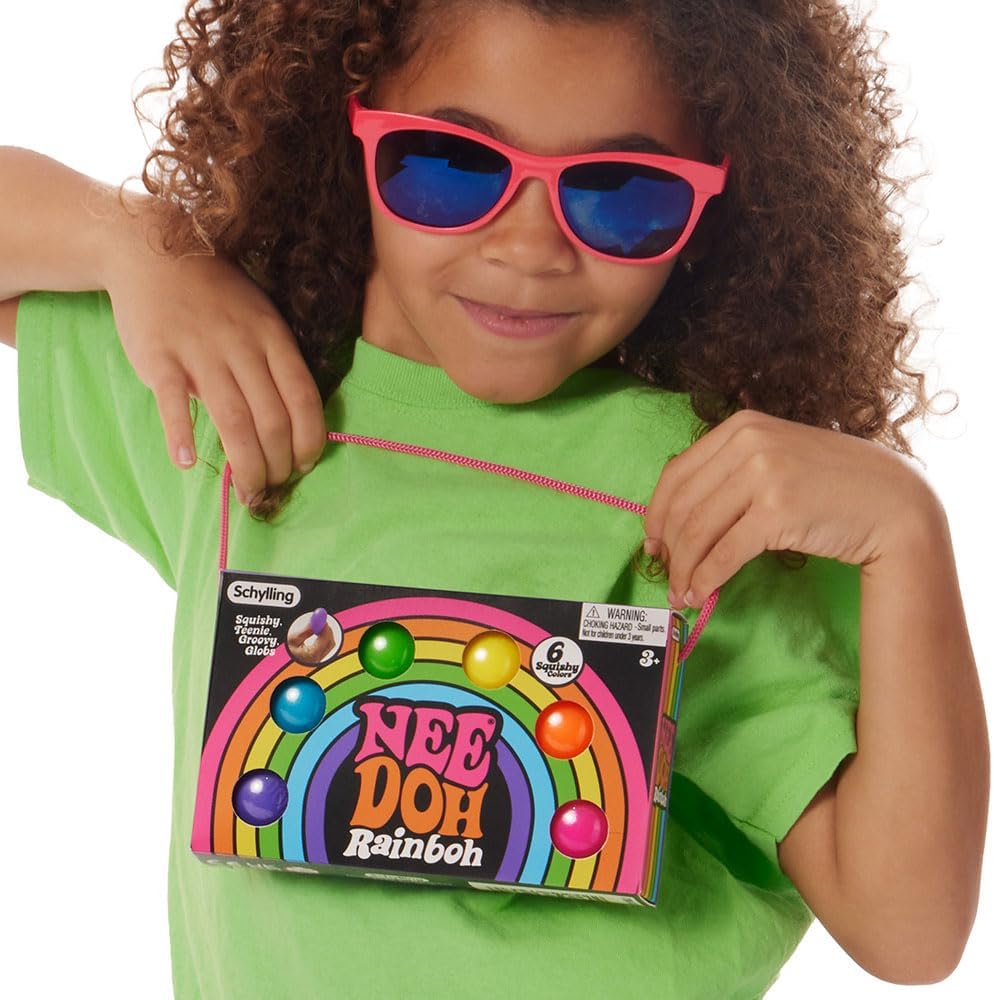
Among the many sensory tools available today, soft, squishy toys have become especially popular. These tactile toys may look like simple fun, but they play a meaningful role in supporting emotional regulation, fine motor development, and creative thinking. Let’s explore why sensory play matters and how squishy toys can positively impact a child’s development.
What Is Sensory Play?
Sensory play refers to activities that stimulate a child’s senses – touch, sight, sound, smell, and sometimes taste. Tactile play, in particular, focuses on the sense of touch. When children squeeze, stretch, press, and manipulate soft materials, they engage their nervous system in ways that help them better understand their environment and themselves.
Touch is one of the first senses to develop, and it remains deeply connected to emotional and cognitive processing throughout life. That’s why hands-on activities feel so natural and satisfying for children.
Supporting Emotional Regulation
One of the most important developmental skills children learn is emotional regulation – the ability to manage big feelings in healthy ways. For young children especially, emotions can feel overwhelming. They may not yet have the language or coping strategies to express frustration, anxiety, or excitement.
Squishy toys provide a safe, physical outlet for those feelings.
How It Helps:
- Releases tension physically – Squeezing gives restless energy somewhere to go.
- Creates a calming rhythm – Repetitive motion can soothe the nervous system.
- Provides comfort through touch – Soft textures can feel reassuring and grounding.
- Encourages pause before reaction – A moment of squeezing can prevent impulsive behavior.
For children who struggle with transitions, social anxiety, or overstimulation, having a small tactile object nearby can make unfamiliar situations feel more manageable.
Developing Fine Motor Skills
Fine motor skills involve the small muscles in the hands and fingers. These muscles are essential for tasks like writing, buttoning clothes, tying shoes, and using utensils.
Manipulating a squishy toy strengthens these muscles in a playful, low-pressure way.
Physical Benefits Include:
- Improved grip strength
- Better finger coordination
- Enhanced hand control
- Increased dexterity
- Bilateral coordination (using both hands together)
Unlike structured exercises, squeezing and stretching feels like play rather than practice. This encourages children to repeat the activity often – which naturally builds strength and control over time.
For preschoolers and early elementary students, tactile toys can complement handwriting practice and other classroom tasks that require precision.
Enhancing Focus and Attention
Some children concentrate better when their hands are gently occupied. Light fidgeting, when non-disruptive, can actually support sustained attention.
A soft, quiet squishy toy allows children to:
- Channel excess energy
- Stay seated longer
- Reduce distractions
- Improve task persistence
For children who struggle with restlessness, especially during homework or classroom instruction, tactile stimulation provides subtle sensory input that keeps the brain engaged without overwhelming it.
It’s not about distraction – it’s about regulation. When the body feels balanced, the mind can focus more easily.
Encouraging Creative Development
Sensory play isn’t just calming – it’s also inspiring. When children manipulate soft materials, they experiment with cause and effect, texture, pressure, and transformation.
Squishy toys encourage imaginative thinking in several ways:
- Open-ended interaction – There’s no “right” or “wrong” way to use them.
- Creative storytelling – A simple shape can become a character in a child’s imagination.
- Exploration of form – Stretching and reshaping supports spatial awareness.
- Problem-solving – Figuring out how materials move and respond builds curiosity.
Open-ended tools stimulate divergent thinking – the ability to generate multiple ideas and possibilities. This skill is foundational for creativity in art, science, writing, and beyond.
Supporting Sensory Integration
Every child processes sensory information differently. Some children seek extra sensory input, while others become easily overstimulated.
Squishy toys provide controlled, predictable tactile feedback. This helps children:
- Understand pressure and resistance
- Build tolerance to different textures
- Develop body awareness
- Feel more in control of sensory experiences
For children with sensory sensitivities, gentle tactile input can help balance the nervous system and reduce stress responses in stimulating environments.
Building Independence and Self-Soothing Skills
One of the long-term goals of child development is helping kids learn to manage themselves independently. Teaching self-soothing strategies early gives children tools they can carry into adolescence and adulthood.
A simple squishy toy can become part of a self-regulation routine:
- Squeeze during deep breathing
- Use before a test
- Hold during a difficult conversation
- Keep nearby during transitions
When children recognize that they can calm themselves through small actions, it builds confidence and resilience.
Making Learning More Engaging
Classrooms and homes are increasingly recognizing the value of movement-based and tactile learning. When children use their hands, they activate additional neural pathways connected to memory and comprehension.
Incorporating sensory elements into daily routines can:
- Increase engagement
- Reduce boredom
- Make abstract concepts feel concrete
- Support kinesthetic learners
Even a short tactile break between academic tasks can refresh attention and improve overall productivity.
Practical Tips for Parents and Educators
To make the most of squishy toys in sensory play:
- Keep them accessible but not distracting
- Pair them with breathing exercises
- Use them as part of calm-down corners
- Encourage use during transitions
- Model appropriate squeezing rather than throwing or overstretching
The goal is balance – integrating sensory play into daily life without letting it replace social interaction or active play.
Sensory play is far more than entertainment. It is a powerful developmental tool that supports emotional regulation, strengthens fine motor skills, enhances focus, and nurtures creativity.
Squishy toys may seem simple, but their impact can be profound. Through touch, repetition, and imaginative exploration, children learn to better understand their bodies, manage their emotions, and engage with the world around them.
In a world filled with fast-paced stimulation, sometimes the most meaningful growth begins with something soft, quiet, and wonderfully squeezable.